General overview of personal budgeting

Informational article on planning regular expenses

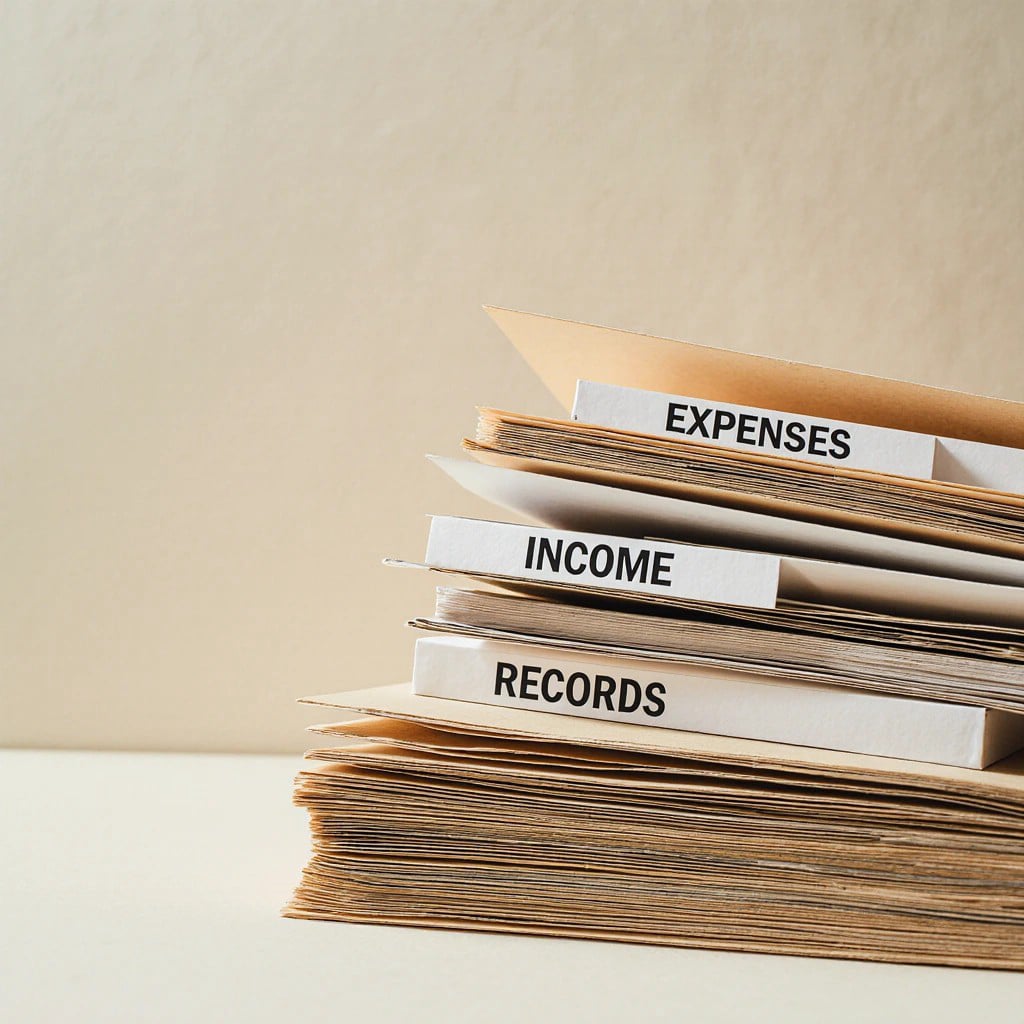
Personal budgeting represents a structured way of documenting income and expenses over a defined period. It usually includes identifying essential spending areas such as housing, utilities, transport and groceries. Recording these items helps maintain transparency and clarity in financial organisation. This article provides factual information about how individuals may record their financial activities in a neutral and accessible form. The purpose is to describe a typical budgeting framework without referring to any personal or advisory outcome.


creonivara

Structured description of expense classification

Common categories used in general budgeting

A standard budget may include several main categories that describe everyday spending. Typical groups are accommodation, food, transportation, healthcare, education and leisure. Each category helps separate fixed and variable costs for easier reference. The classification outlined here is general and intended to illustrate how a financial structure can be organised for clarity. The examples are not prescriptive and should be viewed as informational context for readers interested in the basic elements of expense management.

Recording and reviewing budget information

Informational overview of documentation practices

A practical step in budget organisation is keeping consistent records of all financial movements. This may include dates, amounts, payment methods and the corresponding expense categories. Such documentation can be handwritten, digital or spreadsheet-based, depending on user preference. The article explains the concept of maintaining clear records to support accountability and understanding of regular spending. It does not recommend or endorse any particular tool or application but instead provides factual insight into the documentation process itself.

creonivara

General overview of monitoring approaches

Reviewing financial records over time

Periodic review of financial records assists in understanding how expenses evolve during a selected timeframe. Reviewing data helps ensure that all items are properly categorised and that the structure remains accurate. This informational material outlines a neutral method of examining financial documentation at regular intervals. The focus is on maintaining clarity and order, not on achieving outcomes or results. Such reviews contribute to the transparency of financial organisation while respecting individual circumstances and preferences.

Contact the creonivara team

Request general information about published materials

Readers who wish to ask about the informational content or specific articles on creonivara may contact the site team using the communication form. All correspondence is handled in accordance with Australian data protection principles and used solely for informational purposes. Communication does not include financial advice or evaluation of individual circumstances.

creonivara

creonivara

© 2025 creonivara.
All rights reserved.